%20(6)%20(1).png)
Planning NBN Pre-Wiring for New Builds
- Feb 16
- 4 min read
When building a new home or office, planning your telecommunications infrastructure early can save you time, money, and headaches later. One of the most important steps is getting your NBN pre-wiring right. This means preparing your property for the National Broadband Network (NBN) before construction finishes. Doing this well ensures you get fast, reliable internet and phone connections from day one.
In this post, I’ll walk you through everything you need to know about NBN pre-wiring for new builds. I’ll explain why it matters, what you need to do, and how to avoid common pitfalls. Whether you’re a homeowner or a business owner in South Australia, this guide will help you make smart decisions about your new build’s connectivity.
Why NBN Pre-Wiring for New Builds Matters
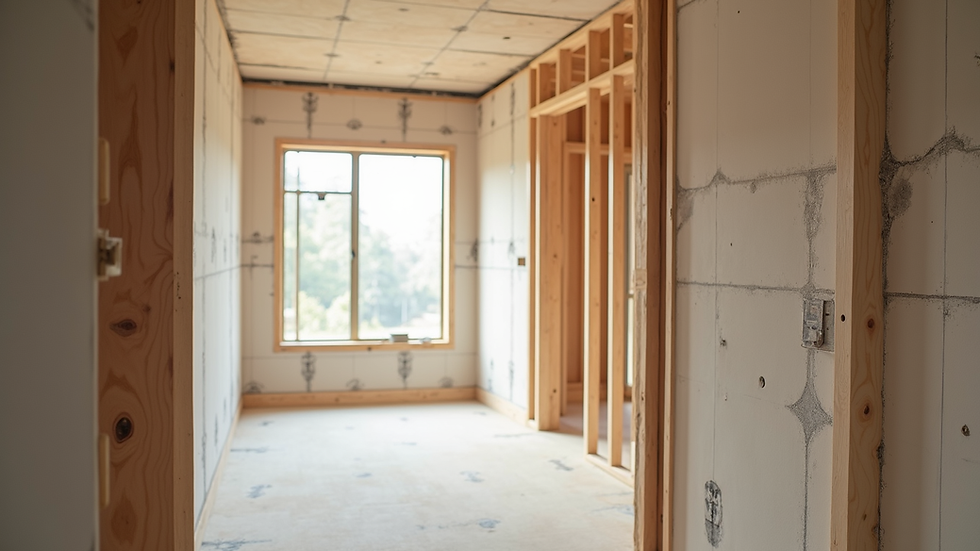
Getting your NBN pre-wiring sorted during construction is a smart move. Once walls are up and finishes are done, adding cables and conduits can be costly and disruptive. Pre-wiring means installing all the necessary cabling and infrastructure before the walls are closed up.
Here’s why it’s important:
Better internet speeds: Proper wiring supports faster NBN plans, including fibre to the premises (FTTP) or fibre to the node (FTTN).
Future-proofing: You won’t have to worry about upgrading cables later as technology improves.
Cost savings: It’s cheaper to install cables during construction than retrofitting later.
Neat and safe: Wires are hidden inside walls, reducing clutter and hazards.
Multiple connections: You can plan for multiple rooms or offices to have their own NBN points.
For example, if you want to stream 4K video, work from home, or run a small business, having a well-planned NBN setup is essential. It ensures your internet connection is stable and fast enough for your needs.
How to Plan NBN Pre-Wiring for New Builds
Planning your NBN pre-wiring involves several key steps. Here’s a simple breakdown:
1. Understand Your NBN Technology Options
NBN offers different connection types depending on your location and provider. These include:
Fibre to the Premises (FTTP)
Fibre to the Node (FTTN)
Fibre to the Curb (FTTC)
Hybrid Fibre Coaxial (HFC)
Fixed Wireless
Knowing which technology will serve your property helps you plan the right wiring. For example, FTTP requires fibre optic cables running directly to your home, while FTTN uses existing copper lines from a nearby node.
2. Locate the NBN Point of Interconnect (POI)
The POI is where the NBN network connects to your property. It’s usually on an external wall or near the meter box. Planning the route from the POI to your internal network points is crucial.
3. Install Conduits and Cabling
Run conduits (plastic pipes) from the POI to the desired rooms. Inside these conduits, you’ll pull the cables later. Use high-quality cables suitable for your NBN type, such as fibre optic or Cat6 Ethernet cables.
4. Plan Internal Network Points
Decide where you want your NBN outlets inside the building. Common spots include:
Living room or lounge
Home office or study
Bedrooms
Business areas or meeting rooms
Having multiple points allows flexibility and better coverage.
5. Label and Document Everything
Keep a clear record of where cables and conduits run. Label outlets and cables to make future maintenance or upgrades easier.
6. Work with Professionals
Engage licensed electricians or telecommunications experts who understand NBN requirements. They can ensure your installation meets standards and is ready for activation.
By following these steps, you’ll have a solid foundation for your internet and phone services.
Does NBN Fiber Need to Be in Conduit?
This is a common question when planning NBN pre-wiring. The short answer is: Yes, it’s highly recommended to run NBN fibre cables inside conduit.
Here’s why:
Protection: Fibre optic cables are delicate. Conduits protect them from damage during construction and over time.
Ease of upgrades: If you need to replace or upgrade cables later, conduits allow you to pull new cables without opening walls.
Compliance: Many NBN providers and installers require conduit for fibre installations to meet safety and quality standards.
Conduits should be smooth, continuous, and large enough to allow easy cable pulling. Typically, a 20mm conduit is used for fibre cables. Avoid sharp bends or kinks in the conduit path.
If you’re unsure about conduit placement or size, consult with your NBN installer or a telecommunications professional. They can guide you based on your specific build and NBN technology.
Common Mistakes to Avoid When Pre-Wiring for NBN
Planning and installing NBN pre-wiring can be straightforward if you avoid these common errors:
Not planning early enough: Waiting until after construction makes wiring expensive and difficult.
Using the wrong cables: Cheap or incorrect cables can limit your internet speed and reliability.
Ignoring conduit requirements: Skipping conduit can lead to damaged cables and costly repairs.
Poor outlet placement: Think about where you’ll use the internet most and plan outlets accordingly.
Not documenting the setup: Without clear records, future troubleshooting or upgrades become complicated.
DIY without expertise: NBN wiring has specific standards. Professional help ensures compliance and quality.
By steering clear of these mistakes, you’ll enjoy a smooth NBN connection from day one.

Getting the Most from Your New Build NBN Pre Wire
If you want to make sure your new build is ready for the best internet experience, consider these additional tips:
Plan for multiple services: Besides internet, think about phone lines, security systems, and smart home devices.
Use quality materials: Invest in good conduits, cables, and outlets to avoid issues later.
Think about Wi-Fi coverage: Pre-wiring can include Ethernet points for Wi-Fi access points to improve signal strength.
Coordinate with your builder: Make sure your builder understands the importance of NBN pre-wiring and includes it in their plans.
Schedule early NBN activation: Once your build is ready, contact your NBN provider to activate your service quickly.
If you want to learn more about how to get started, check out this helpful resource on new build nbn pre wire for detailed guidance.
Ready to Connect? Take the Next Step
Planning your NBN pre-wiring is a crucial part of building a modern, connected home or business. By preparing early, using the right materials, and working with experts, you’ll enjoy fast, reliable internet that meets your needs now and into the future.
If you’re in South Australia and want trusted advice or professional installation, SimTech Telecommunications Pty Ltd is here to help. We specialise in making sure your new build is ready for the NBN with fast, affordable, and reliable service.
Don’t wait until the last minute. Start planning your NBN pre-wiring today and stay connected from day one.


Comments